

Time:2026-05-15 Views:0
With severe homogenization and accelerated iteration in the smart lock industry, durability has become an essential indicator for measuring comprehensive product quality, narrowing brand gaps and reducing user replacement costs. As consumers develop rational consumption awareness, the market is gradually phasing out low-end products with fancy appearances and redundant functions, while favoring long-lasting smart locks with stable structures, strong wear resistance and low long-term failure rates. CNC machined smart lock metal parts adopt sophisticated numerical control cutting technology, high-purity raw metal materials and multi-layer reinforced protection treatments to manufacture high-strength durable metal structural components for smart locks, including transmission gears, lock bolt assemblies, clutch parts, anti-prying reinforced steel plates, motor fixing brackets and shaft connecting accessories. Different from ordinary die-cast, stamped and cast hardware parts which generally have defects such as loose material structure, internal sand holes, insufficient strength and easy aging deformation, CNC one-piece cutting metal parts possess outstanding advantages including high density, excellent wear resistance, deformation resistance, corrosion resistance and fatigue aging resistance. Centering on durability, this paper deeply analyzes the underlying durable logic of CNC metal parts from six dimensions: durable material base, precision processing reinforcement, loss-resistant structural design, extreme environmental tolerance, long-term fatigue resistance and full-life-cycle quality control. It clarifies the practical value of durable metal parts in reducing lock failure rates, extending service life and cutting later maintenance and replacement costs, providing professional hardware solutions for lock brands to manufacture high-durability, low-loss and high-stability long-term intelligent security products.
Durability has become an inevitable industrial demand, and inferior metal parts are the core cause of short lock service life. As high-frequency access security products, smart locks can be opened and closed tens of thousands of times annually, enduring multiple losses including mechanical friction, external impact, environmental erosion and temperature difference deformation. Most mid-to-low-end locks adopt cheap die-cast and stamped metal parts made of recycled miscellaneous materials. Such low-cost parts have loose internal metal structures with numerous invisible micropores and cracks, resulting in weak physical strength. They are prone to defects such as gear wear, shaft loosening, lock bolt jamming and metal oxidation blackening after short-term use; long-term operation further causes fatigue deformation, increased brittleness, gear breakage and lock body stagnation. Relevant industrial test data shows that smart locks equipped with ordinary die-cast hardware have an average service life of only 3 to 5 years, with a post-maintenance failure rate as high as 28%, frequently suffering from stagnation, malfunction and abnormal noise. In high-end residences, coastal areas and commercial high-frequency scenarios, humid salt fog, acid-base air and frequent opening and closing further accelerate the aging and damage of inferior parts. Therefore, upgrading high-quality durable metal parts is the most direct and effective industrial method to solve the problems of short service life, frequent failures and cumbersome maintenance, and it is also an inevitable trend for the industry to move toward durability and high quality.
High-purity raw metal materials build a natural durable physical foundation for parts. Metal purity directly determines the hardness, toughness and fatigue resistance of metal parts, serving as the fundamental condition for long-term durability. Rejecting recycled and impure materials, CNC machined smart lock metal parts strictly select industrial-grade high-purity raw metals with differentiated scientific material selection according to bearing strength requirements. Core load-bearing transmission components adopt 304 and 316 stainless steel with dense molecular structure, excellent tensile strength and outstanding shear and impact resistance, showing no obvious deformation or wear after 100,000 opening and closing simulations. High-precision H59 brass is applied to high-frequency friction gears and pin shafts for its low friction coefficient and superior wear resistance, avoiding metal debris generation and ensuring smooth long-term meshing transmission. Lightweight fixed reinforcement components are made of T6 heat-treated 6061 aerospace aluminum alloy with a hardness above 220HV, featuring strong impact resistance and bending resistance, leaving only slight traces under 200-joule external impact. All raw metals pass composition analysis, hardness testing and metallographic screening before warehousing to eliminate inferior substrates with excessive impurities and loose structures, strengthening the inherent durability of parts from the physical source.
Precision CNC cutting eliminates processing defects and enhances durability stability. Traditional die-casting and stamping metal parts have rough surfaces, burrs and residual internal processing stress, which are prone to fracture along invisible cracks under long-term force and greatly reduce durability. Adopting one-piece forming technology with multi-axis linkage CNC machine tools, CNC parts abandon weak processing methods such as welding, splicing and pouring to completely retain the dense metallographic structure of raw metals. Controlled by high-precision programming, the machining tolerance is locked at the micron level with uniform and reasonable assembly gaps, avoiding extrusion wear caused by over-tight assembly and abnormal noise induced by excessive gaps. Meanwhile, multiple refined processes including precision milling, mirror polishing, rounded passivation and deburring ensure smooth and dense metal surfaces without pores, scratches or hidden cracks, significantly reducing mechanical friction loss. In addition, stress relief technology is applied to eliminate residual internal cutting stress and prevent natural deformation, distortion and loosening during long-term operation, maintaining permanent structural stability for durable and loss-free application.
Multi-layer surface reinforcement improves environmental weather resistance and durability. Apart from mechanical wear, humidity, salt fog, oxidation and acid-base corrosion are critical factors accelerating metal aging and failure, which also lead to high lock failure rates in humid southern regions and coastal salt-fog areas. Adapted to complex climatic environments, all CNC metal parts adopt customized multi-layer durable protection processes. Exposed metal structures undergo hard anodizing and electrophoretic anti-corrosion treatment to form dense surface protective films with acid, alkali and rain resistance, passing strict 500-hour salt spray tests far exceeding the national standard of 96 hours. Internal concealed transmission components are chemically passivated and high-temperature oil-impregnated to fill tiny surface pores, isolate moisture penetration and reduce friction resistance, realizing dual protection of wear resistance and rust prevention. Reinforced anti-prying steel plates and bottom brackets adopt blackening strengthening technology to improve surface hardness, scratch resistance, corrosion resistance and oxidation resistance. The multi-layer protection system effectively resists erosion from humidity, low temperature, high temperature, salt fog and dust, ensuring intact metal parts in various climatic regions and eliminating lock failures caused by rust and aging.
Durability-optimized structural design adapts to long-term fatigue usage in diverse scenarios. Accumulated massive lock operating data enables optimized durable structure design for CNC metal parts on the basis of standard size restoration. For easily worn gear transmission systems, optimized meshing angles expand stress contact areas and disperse meshing pressure to prevent tooth breakage caused by local stress concentration. For frequently telescopic lock bolts, thickened metal walls and rounded transitions reduce impact wear and enhance shock resistance. For connecting pin shafts prone to loosening due to door vibration, anti-drop limit structures and precise clamping designs prevent shedding caused by long-term vibration. For commercial high-frequency locks, widened stress-bearing points strengthen fatigue resistance to adapt to more than one hundred daily opening and closing times in hotels and apartments. Different from cheap ordinary parts with simplified structures and reduced materials, durable CNC metal parts thicken key stress-bearing positions and optimize mechanical force transmission paths to buffer external impact and disperse mechanical stress, greatly delaying metal fatigue aging and extending service life.
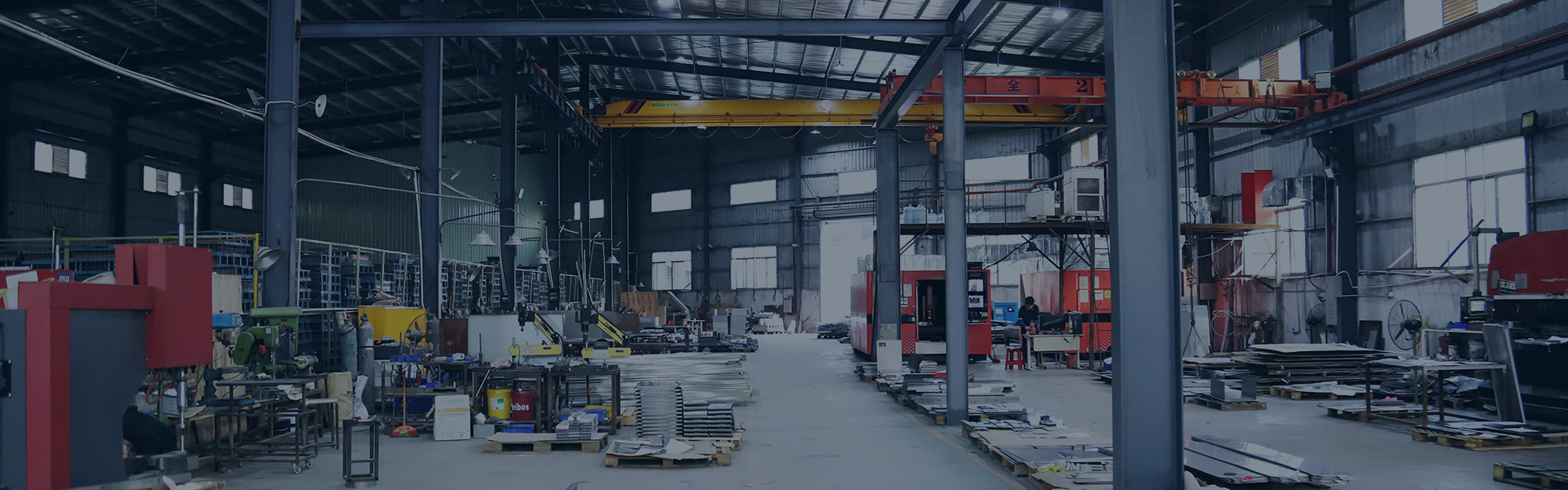
Strict durability simulation testing ensures consistent batch quality and long-term performance. To stabilize the durability of finished products, the factory establishes a complete fatigue durability testing system to simulate extreme application conditions. Each batch of metal parts must pass 100,000 mechanical opening and closing fatigue tests to detect wear and deformation degrees; high and low temperature cycle tests replicate temperature differences from -20℃ to 60℃ to verify structural stability under thermal expansion and contraction; salt spray corrosion and humid heat aging tests simulate harsh coastal and southern humid environments to screen anti-corrosion defects; violent impact tests inspect the damage resistance of anti-prying steel plates and reinforced components. All testing procedures comply with international industrial standards to eliminate defective products with excessive wear, obvious deformation and poor weather resistance. Finished products are hermetically packed with moisture-proof desiccants to isolate moisture during transportation and storage and prevent pre-delivery oxidation damage. The rigorous quality control process guarantees balanced and stable durability of every CNC metal part, enabling the overall lock service life to exceed 15 years, far longer than locks assembled with ordinary hardware.
Low-loss durable hardware reduces dual usage costs for manufacturers and users. From the perspective of manufacturers, low-failure CNC durable metal parts greatly reduce after-sales maintenance orders, cutting labor repair costs, logistics replacement expenses and spare parts inventory pressure to maintain brand reputation with stable quality. The consistent durability of batch products eliminates secondary post-processing polishing, simplifying assembly procedures and improving mass production efficiency. For end users, durable metal structures are not prone to aging and damage, minimizing frequent disassembly, replacement and maintenance expenses. The locks maintain smooth long-term operation without stagnation, abnormal noise or malfunction, avoiding potential security hazards caused by jamming and sudden failure. Whether for residential houses, villa courtyards, hotel homestays, commercial offices or outdoor gates, CNC machined metal parts adapt to long-term uninterrupted operation, realizing low maintenance, long service life and high stability.
Deeply focusing on durable precision processing to continuously optimize the durability system of smart locks. Currently, the smart lock industry has officially entered an era of durability and quality competition. Inferior low-durability hardware will eventually be eliminated by the market, while high-stability, long-life and wear-resistant CNC metal parts have become mainstream industrial standard configurations. Centering on durability research and development, CNC machined smart lock metal parts comprehensively solve industrial pain points such as wear, corrosion, deformation, fracture and aging by virtue of high-purity metal substrates, precision cutting technology, multi-layer anti-corrosion protection, mechanically optimized structures and strict durability testing. In the future, we will continuously upgrade five-axis processing equipment, optimize metal alloy ratios and improve surface strengthening technology to develop new-generation durable metal parts with higher strength, lower loss and stronger weather resistance. Adhering to industrial-grade durable manufacturing standards, we empower lock brands with high-quality durable metal hardware to promote the industrial transformation from functional stacking to long-term durability. We aim to manufacture sturdy, stable, low-consumption and maintenance-free high-quality intelligent security locks for global users.
 China management center add.
204, Building A, Phase 3, Jiewei Industrial Park, Shangmugu Community, Pinghu Street, Longgang District, Shenzhen, China
 Headquarters tel.
+86 134 3077 5139
 E-mail.


 CN
CN


