

Time:2026-05-15 Views:0
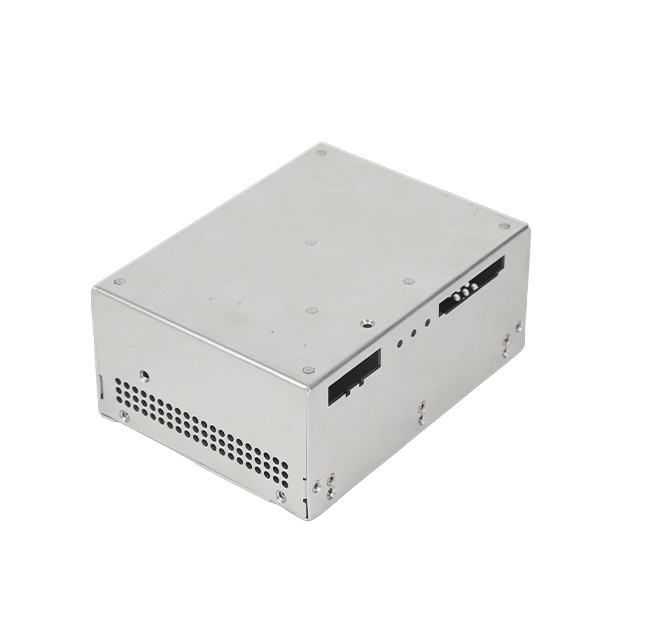
Sheet metal processing material quotation is a core link in the cooperation between manufacturers and customers, which directly affects the cost control of both parties and the feasibility of cooperation projects. The quotation is not a simple accumulation of material prices, but a comprehensive calculation based on multiple factors such as material types, specifications, processing difficulty, order quantity, and delivery cycle. It requires professional knowledge and rich industry experience to ensure accuracy and rationality, while balancing the interests of both the supply and demand sides. In the current fiercely competitive market environment, a scientific and transparent quotation system can not only enhance the credibility of manufacturers but also help customers make reasonable purchasing decisions, laying a solid foundation for long-term cooperation.
The core of sheet metal processing material quotation lies in the accurate calculation of material costs, which is the basis of the entire quotation. Common sheet metal materials include carbon steel, stainless steel, aluminum alloy, copper, and other special alloys, each with different price ranges and performance characteristics. For example, low-carbon steel sheets are cost-effective and widely used in general structural parts, with prices usually ranging from $597 to $880 per ton depending on the thickness and specifications; 304 stainless steel, with excellent corrosion resistance, is priced between $800 and $2350 per ton, while 316 stainless steel, suitable for harsh environments such as marine and chemical industries, is more expensive. The material cost calculation formula is usually material cost = material volume × material density × material unit price, where the material volume needs to be accurately calculated according to the unfolded size of the product drawing, and the loss rate (usually 3% - 8%) should also be considered to avoid cost losses caused by insufficient material preparation.
In addition to material costs, processing costs, auxiliary costs, and profit margins are also important components of the quotation. Processing costs include the costs of cutting, bending, stamping, welding, grinding, spraying, and other processes, which are calculated based on equipment usage time, labor costs, and process complexity. For example, laser cutting is usually charged per meter or per square meter, CNC bending per side, and welding per day or per kilogram. Auxiliary costs include packaging costs, transportation costs, and management costs: packaging costs depend on packaging materials and methods, transportation costs are related to transportation distance, mode, and cargo weight, and management costs include factory operation, quality inspection, and after-sales service expenses. Finally, the profit margin is determined by manufacturers according to their own operating conditions, market competition, and order scale, usually ranging from 10% to 20%. It should be noted that for large-batch orders, manufacturers often give appropriate discounts to improve market competitiveness, while small-batch and customized orders may have higher quotation due to higher processing costs.
To ensure the scientificity and competitiveness of the quotation, manufacturers need to pay close attention to market changes, especially the fluctuation of raw material prices, which is the key factor affecting the quotation adjustment. For example, the price of steel will be affected by factors such as international iron ore prices, domestic supply and demand, and policy adjustments, so manufacturers need to establish a real-time price tracking mechanism to update the quotation in a timely manner. At the same time, communicating fully with customers to understand their specific needs, such as product accuracy requirements, surface treatment standards, and delivery time, can help optimize the quotation plan, avoid unnecessary cost waste, and achieve a win-win situation between manufacturers and customers. A reasonable quotation not only reflects the professional strength of the manufacturer but also is an important guarantee for the smooth progress of the sheet metal processing project.
 China management center add.
204, Building A, Phase 3, Jiewei Industrial Park, Shangmugu Community, Pinghu Street, Longgang District, Shenzhen, China
 Headquarters tel.
+86 134 3077 5139
 E-mail.


 CN
CN


