

Time:2026-05-25 Views:0
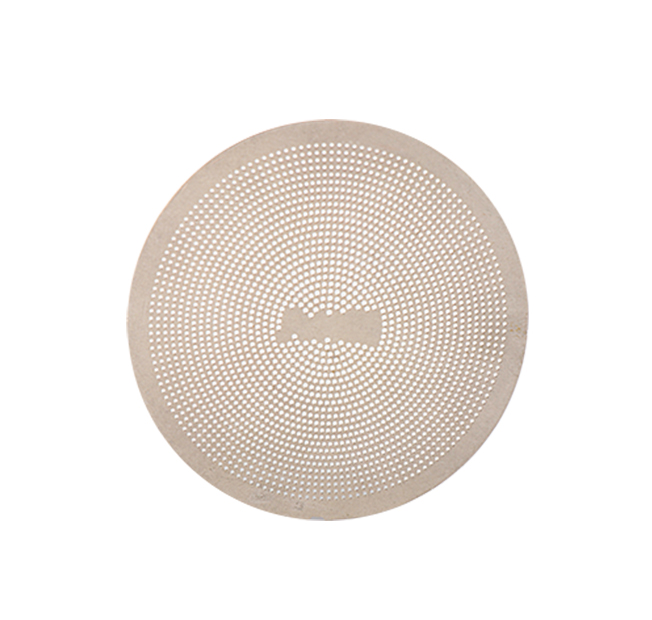
The design concept of sheet metal processing is a comprehensive guiding principle that integrates functionality, manufacturability, cost-effectiveness, and sustainability, serving as the core foundation for producing high-quality, high-efficiency sheet metal products. Unlike traditional processing concepts that focus solely on meeting basic product specifications, modern sheet metal processing design adheres to the “design for manufacturing (DFM)” principle, emphasizing that every link of the design should be closely combined with actual processing capabilities, avoiding design schemes that are difficult to process, low in efficiency, or high in cost. This concept requires designers to have a deep understanding of the performance of sheet metal materials (such as tensile strength, ductility, and corrosion resistance), the characteristics of various processing technologies (including shearing, bending, stamping, welding, and surface treatment), and the limitations of processing equipment, so as to balance product performance and processing feasibility.
Functionality is the primary starting point of sheet metal processing design. Whether it is sheet metal parts for industrial equipment, automotive components, or electronic enclosures, the design must first meet the core functional requirements of the product, such as load-bearing capacity, sealing performance, assembly accuracy, and service life. For example, sheet metal enclosures for electronic equipment need to be designed with reasonable structural strength to protect internal components from external impact, while also considering heat dissipation performance to ensure the stable operation of electronic devices. At the same time, the design should also pay attention to the rationality of the structure, such as optimizing the layout of holes, slots, and flanges to avoid stress concentration, which may lead to structural damage during use or processing.
Cost-effectiveness and sustainability are important supplements to the design concept of sheet metal processing. In the design process, designers need to minimize production costs by optimizing material selection, reducing material waste, and simplifying processing procedures. For instance, selecting appropriate sheet metal thickness according to the functional requirements can avoid the waste caused by excessive thickness, and adopting integrated stamping instead of multiple welding processes can improve processing efficiency and reduce labor costs. In addition, with the increasing emphasis on environmental protection, the design concept also includes the concept of green manufacturing, such as selecting environmentally friendly materials, reducing the use of harmful substances in surface treatment, and designing products that are easy to disassemble and recycle, so as to achieve the sustainable development of sheet metal processing industry.
 China management center add.
204, Building A, Phase 3, Jiewei Industrial Park, Shangmugu Community, Pinghu Street, Longgang District, Shenzhen, China
 Headquarters tel.
+86 134 3077 5139
 E-mail.


 CN
CN


