

Time:2026-05-07 Views:0
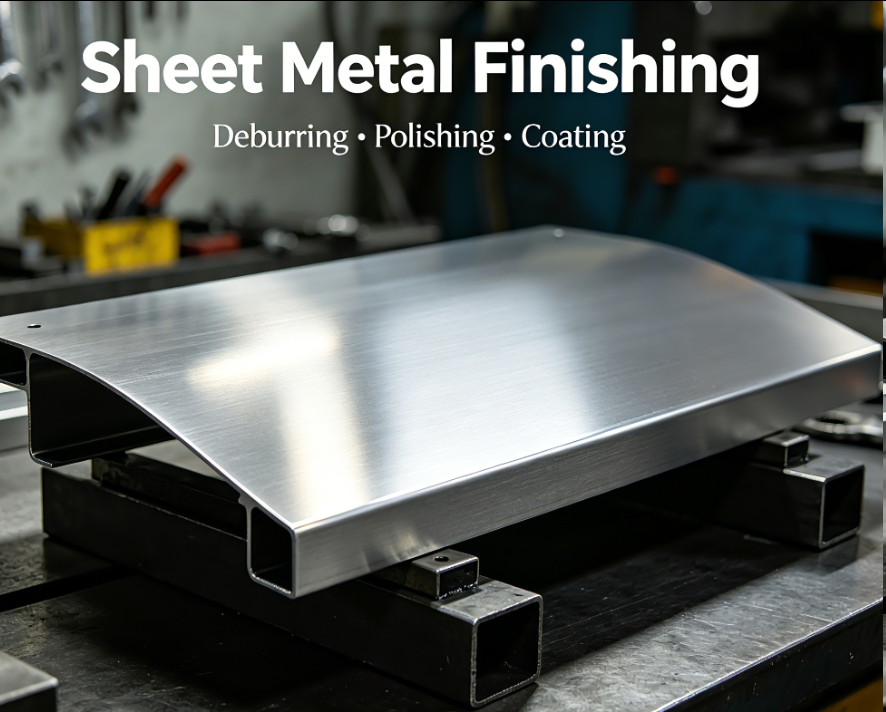
Sheet metal finishing is a critical post-processing step in sheet metal fabrication that enhances the performance, durability, and aesthetic appeal of fabricated parts, ensuring they meet the strict requirements of various industries. Unlike primary forming processes such as cutting or bending, finishing focuses on refining the surface quality, correcting minor dimensional deviations, and adding protective or functional layers to the metal surface. This process is indispensable because even perfectly formed sheet metal parts may have surface defects such as burrs, scratches, or oxidation, which can compromise their service life and functionality if left unaddressed. In industries like electronics, medical devices, and automotive manufacturing, finishing not only improves the appearance of parts but also enhances their resistance to corrosion, wear, and environmental factors, making them suitable for harsh or precision-driven applications.
Common sheet metal finishing techniques include plating, anodizing, powder coating, painting, and passivation, each tailored to specific material properties and application needs. Plating, for instance, involves depositing a thin layer of metal (such as nickel, zinc, or gold) onto the sheet metal substrate through electrochemical or chemical processes to enhance corrosion resistance and surface hardness. Nickel plating, in particular, is widely used for its balance of wear resistance and visual appeal, with electroless nickel plating offering uniform coverage even on complex shapes with cavities or edges, making it ideal for precision sheet metal parts. Anodizing is primarily used for aluminum sheet metal, creating a protective oxide layer that is both decorative and durable, while powder coating provides a thick, uniform finish that resists chipping and fading, suitable for both indoor and outdoor applications.
The choice of finishing method depends on several factors, including the base metal (steel, aluminum, stainless steel, etc.), the intended use of the part, and the required performance standards. For example, medical device components often require electropolishing or passivation to ensure biocompatibility and sterility, while automotive parts may use powder coating for corrosion resistance and aesthetic consistency. Additionally, modern finishing processes are increasingly integrated with automation, such as robotic spraying or automated plating lines, to improve efficiency, reduce human error, and ensure consistent quality across large production batches. By combining advanced finishing technologies with precise primary processing, manufacturers can produce sheet metal parts that meet the highest standards of performance, reliability, and appearance.
 China management center add.
204, Building A, Phase 3, Jiewei Industrial Park, Shangmugu Community, Pinghu Street, Longgang District, Shenzhen, China
 Headquarters tel.
+86 134 3077 5139
 E-mail.


 CN
CN


