

Time:2026-01-20 Views:0
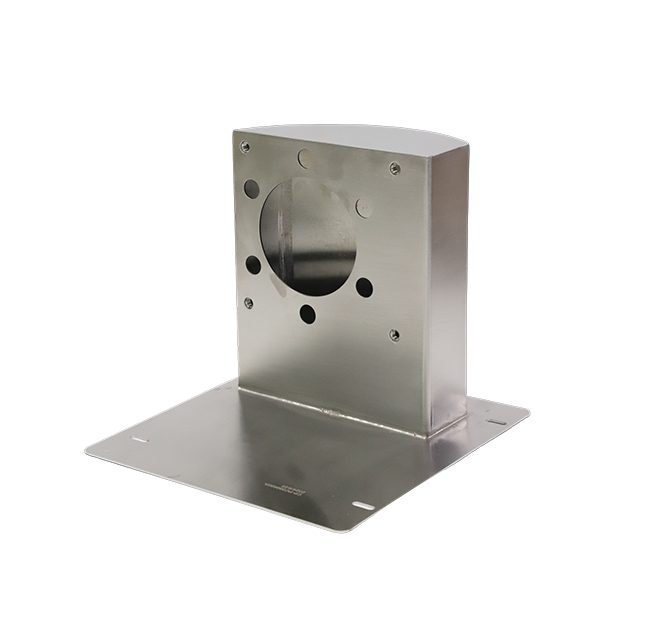
Sheet metal assembly processing is a crucial stage in the manufacturing of various products, involving the meticulous combination of multiple sheet metal components into a functional and structurally sound unit. This process requires a high level of precision and technical expertise, as the quality of assembly directly impacts the performance, durability, and aesthetics of the final product.
The first step in sheet metal assembly processing often involves preparing the individual components. These components are typically fabricated through processes such as cutting, bending, and stamping. Once ready, they are carefully inspected for any defects or dimensional inaccuracies. Precision measurement tools, such as calipers and coordinate measuring machines (CMMs), are used to ensure that each part meets the required specifications.
Assembly methods in sheet metal processing vary depending on the nature of the product and the materials involved. Welding is a commonly used technique, which can be further classified into different types like MIG (Metal Inert Gas) welding, TIG (Tungsten Inert Gas) welding, and spot welding. MIG welding is efficient for joining larger sheet metal parts, providing strong and continuous welds. TIG welding, on the other hand, offers greater precision and control, making it suitable for thinner sheets and high - quality finishes. Spot welding is ideal for joining two or more sheets at specific points, creating a series of discrete welds that distribute stress evenly.
In addition to welding, mechanical fastening methods are also widely employed. Screws, bolts, nuts, and rivets are used to connect sheet metal components. This approach allows for easy disassembly and reassembly, which is beneficial for products that require maintenance or modification. Adhesive bonding is another option, especially when a smooth surface finish is desired or when dealing with materials that are difficult to weld.
During the assembly process, fixtures and jigs play a vital role. These tools hold the sheet metal components in place, ensuring accurate alignment and positioning. They help maintain consistent quality across multiple assemblies and reduce the risk of human error. Quality control is an ongoing process throughout sheet metal assembly. Inspectors check for proper joint integrity, dimensional accuracy, and overall structural stability. Non - destructive testing methods, such as ultrasonic testing and X - ray inspection, may also be used to detect internal flaws in welds or joints. Sheet metal assembly processing is a complex yet essential part of manufacturing, enabling the creation of a wide range of products, from automotive body parts and electronic enclosures to industrial machinery casings.
 China management center add.
204, Building A, Phase 3, Jiewei Industrial Park, Shangmugu Community, Pinghu Street, Longgang District, Shenzhen, China
 Headquarters tel.
+86 134 3077 5139
 E-mail.


 CN
CN


