

Time:2026-01-22 Views:0
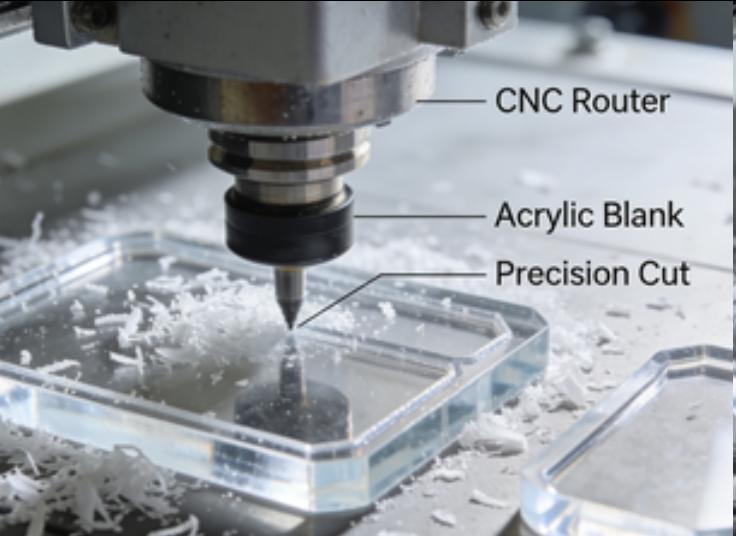
CNC machining of acrylic parts has gained significant popularity across various industries due to the unique properties of acrylic, also known as polymethyl methacrylate (PMMA). Acrylic is renowned for its excellent optical clarity, similar to glass, yet it is much lighter and more shatter - resistant. Additionally, it offers good chemical resistance, weatherability, and ease of fabrication, making it a versatile material for a wide range of applications.
When it comes to CNC machining of acrylic, several factors need to be considered to ensure high - quality results. Acrylic has a relatively low melting point compared to metals, which means that heat generated during the machining process can cause the material to melt or warp if not properly controlled. To address this, lower cutting speeds and feed rates are typically employed. High - speed machining can generate excessive heat, leading to surface imperfections such as burn marks or rough edges. Using sharp cutting tools with appropriate geometries, such as end mills with fine - pitched flutes, helps to minimize heat generation and achieve a smooth surface finish.
Another challenge in CNC machining of acrylic is chip evacuation. Acrylic chips can be brittle and tend to stick to the cutting tool or the workpiece, which can affect the machining accuracy and surface quality. Effective use of compressed air or vacuum systems to remove chips during machining is crucial. Coolant usage is often limited or avoided in acrylic machining, as some coolants may react with the material and cause surface damage. Instead, air cooling is commonly used to dissipate heat and keep the cutting area clean.
CNC - machined acrylic parts find extensive applications in various fields. In the signage industry, acrylic is widely used to create vibrant and durable signs, displays, and light boxes. Its optical clarity allows for excellent light transmission, making it ideal for illuminated signage. In the automotive industry, acrylic is used for manufacturing interior components such as instrument panels, knobs, and covers, where its aesthetic appeal and durability are highly valued. It is also commonly used in the production of consumer products, including jewelry, decorative items, and protective enclosures for electronic devices, due to its lightweight and attractive appearance.
 China management center add.
204, Building A, Phase 3, Jiewei Industrial Park, Shangmugu Community, Pinghu Street, Longgang District, Shenzhen, China
 Headquarters tel.
+86 134 3077 5139
 E-mail.


 CN
CN


