

Time:2025-08-04 Views:0
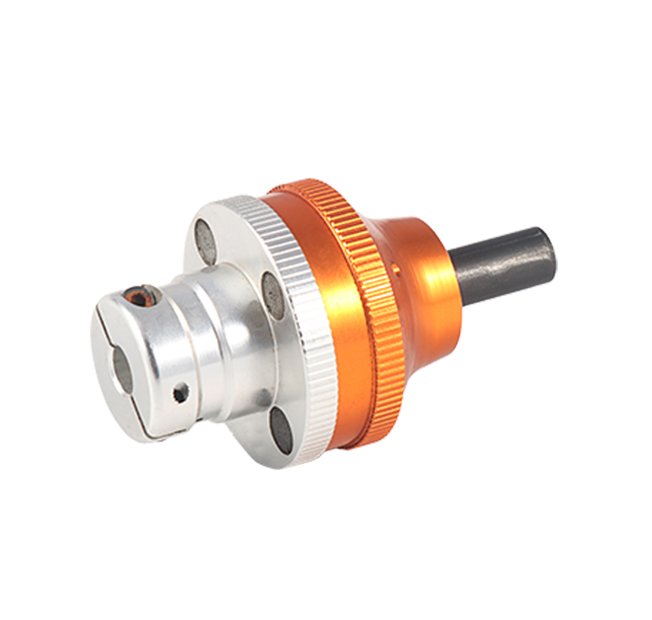
The CNC machining process for solar equipment brackets is a precision-driven workflow designed to produce durable, weather-resistant structural components that secure solar panels in various installations, from residential rooftops to large-scale solar farms. These brackets, typically made from aluminum alloys (e.g., 6061-T6) or galvanized steel, require tight tolerances (often ±0.02 mm) to ensure proper alignment of solar panels, maximizing sunlight absorption and structural stability. The process begins with material selection and preparation, where raw materials are cut into blanks using sawing or shearing machines. Aluminum is preferred for its lightweight properties and corrosion resistance, while steel is chosen for high-load applications, such as ground-mounted solar arrays. The blanks are then deburred to remove sharp edges, preventing damage to cutting tools during CNC machining.
The core of the process is multi-axis CNC milling, which shapes the bracket’s complex geometries—including mounting holes, slots, and angled surfaces. Modern 3-axis or 5-axis CNC mills are used, with 5-axis machines offering greater flexibility for contouring curved or asymmetrical bracket designs. Tool selection is critical: carbide end mills with coated surfaces (e.g., TiAlN) are used for aluminum to reduce friction and extend tool life, while high-speed steel (HSS) tools are preferred for steel, especially when machining thick sections. The machining sequence typically starts with facing and roughing operations to remove excess material, followed by finishing passes to achieve the required surface roughness (often Ra 1.6–3.2 μm). Coolant systems are employed to dissipate heat, preventing thermal distortion of the bracket and ensuring dimensional accuracy.
Drilling and tapping are essential secondary operations for solar brackets, which require precise holes for bolts and fasteners. CNC drilling centers with automatic tool changers handle multiple hole sizes, using peck drilling cycles to clear chips from deep holes and avoid tool breakage. Tapping, often performed with spiral-flute taps, creates threads that must meet strict standards (e.g., ISO metric threads) to ensure compatibility with mounting hardware. After machining, brackets undergo surface treatment to enhance durability. Aluminum brackets are anodized to form a protective oxide layer, while steel brackets are galvanized or powder-coated to resist rust and corrosion—critical for withstanding outdoor exposure to rain, UV radiation, and temperature fluctuations.
Quality control is integrated throughout the process, with in-process inspection using coordinate measuring machines (CMMs) or optical scanners to verify dimensions. Statistical process control (SPC) is employed to monitor tolerances across production runs, ensuring consistency. Post-machining, brackets may undergo assembly with additional components, such as hinges or adjustment mechanisms, which are also CNC-machined for precise fit. The combination of advanced CNC technology and rigorous quality checks ensures that solar brackets meet the structural demands of long-term outdoor use while maintaining the precision needed for optimal solar panel performance.
 China management center add.
204, Building A, Phase 3, Jiewei Industrial Park, Shangmugu Community, Pinghu Street, Longgang District, Shenzhen, China
 Headquarters tel.
+86 134 3077 5139
 E-mail.


 CN
CN


