

Time:2026-05-30 Views:0
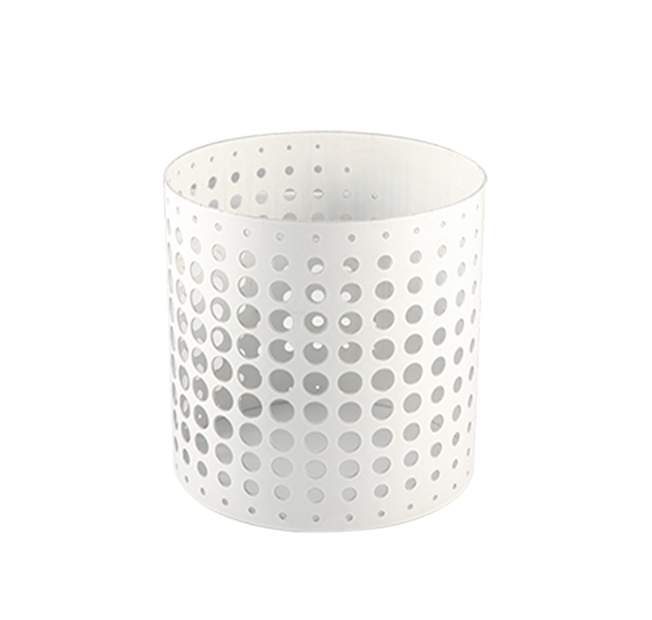
In today’s rapidly evolving industrial landscape, CNC machining parts supply has emerged as the backbone of modern manufacturing, supporting critical sectors from aerospace and automotive to medical devices and energy. As a core link in the global manufacturing supply chain, CNC machining parts supply involves the whole-process service of customizing, producing, inspecting, and delivering high-precision mechanical components according to customer design drawings and technical requirements. Unlike traditional parts supply, CNC parts supply relies on computer numerical control technology to ensure that each batch of products meets strict dimensional tolerances and performance standards, which is essential for improving the stability and reliability of end products.
The core advantage of CNC machining parts supply lies in its high flexibility and strong adaptability. Whether it is small-batch prototype production or large-scale mass production, professional suppliers can adjust production plans in a timely manner according to customer needs, realizing efficient production of parts of various specifications and complex structures. Suppliers usually have a complete set of advanced CNC equipment, including 3-axis, 4-axis, and 5-axis machining centers, CNC lathes, and CNC milling machines, which can process a variety of materials such as carbon steel, stainless steel, aluminum alloy, copper alloy, and engineering plastics. At the same time, they will formulate personalized processing schemes according to the material characteristics and use scenarios of parts to ensure the rationality and economy of the production process.
Quality control and supply chain management are the key links of CNC machining parts supply. Professional suppliers will establish a strict quality inspection system, using advanced testing equipment such as coordinate measuring machines (CMM), laser measuring instruments, and hardness testers to conduct full inspection of parts’ dimensional accuracy, surface roughness, and mechanical properties, ensuring that each part meets the design requirements and industry standards. In terms of supply chain management, suppliers will optimize the procurement of raw materials, production scheduling, and logistics distribution, establish stable cooperative relations with raw material suppliers, and use intelligent management systems to track the production progress and delivery status of parts in real time, so as to ensure on-time delivery and reduce the risk of supply chain interruption for customers.
With the continuous development of Industry 4.0 and intelligent manufacturing, CNC machining parts supply is also moving towards intelligence and digitalization. Many suppliers have introduced CAD/CAM integrated systems, which can directly convert customer design drawings into machining programs, reducing manual programming errors and improving production efficiency. At the same time, the application of Internet of Things (IoT) technology enables real-time monitoring of CNC equipment operation status, predictive maintenance of equipment, and reduction of production downtime. In addition, green production has become an important development trend of CNC parts supply. Suppliers are actively adopting energy-saving equipment and environmentally friendly cutting fluids, optimizing processing processes, reducing energy consumption and environmental pollution, and realizing sustainable development while meeting customer needs.
 China management center add.
204, Building A, Phase 3, Jiewei Industrial Park, Shangmugu Community, Pinghu Street, Longgang District, Shenzhen, China
 Headquarters tel.
+86 134 3077 5139
 E-mail.


 CN
CN


