

Time:2025-11-11 Views:0
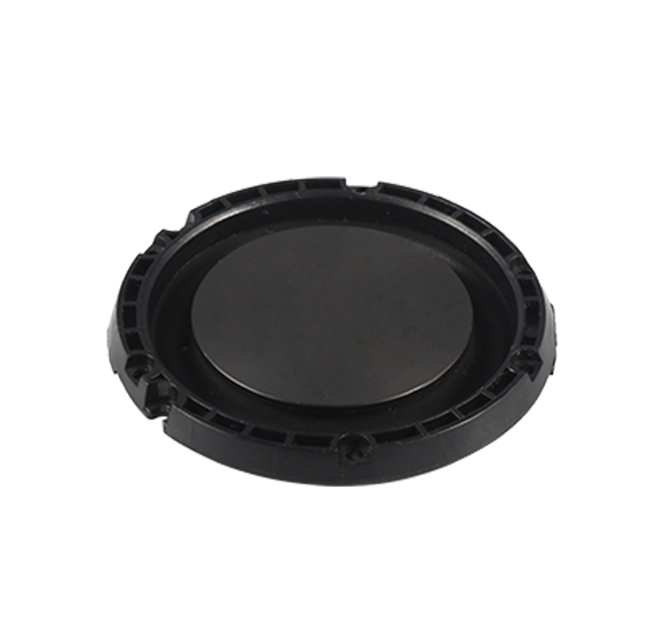
CNC (Computer Numerical Control) Machining Centers are advanced, automated manufacturing systems designed for high-precision, multi-tasking metal and non-metal processing. Unlike single-function machine tools (e.g., standalone lathes or mills), these centers integrate multiple operations—such as milling, drilling, tapping, boring, and contouring—into a single, computer-controlled platform, making them ideal for complex part production in industries like aerospace, automotive, medical device manufacturing, and electronics.
Their core advantage lies in versatility and efficiency. A typical vertical CNC machining center (VMC) features a stationary worktable and a vertically moving spindle, suitable for flat or box-shaped parts (e.g., engine brackets, medical implants). Horizontal machining centers (HMCs), by contrast, have a horizontally oriented spindle and a rotating worktable (often with a pallet changer), enabling continuous production of cylindrical or multi-sided parts (e.g., gearboxes, valve bodies) by swapping pallets during processing. Advanced models, such as 5-axis CNC machining centers, add rotational axes (A, B, or C) to the spindle or worktable, allowing simultaneous processing of all part surfaces—critical for intricate components like turbine blades or aerospace structural parts, where precision tolerances of ±0.001mm are often required.
Modern CNC machining centers are equipped with intelligent features to enhance performance. High-speed spindles (up to 20,000 RPM) reduce cycle times for high-volume production, while automatic tool changers (ATCs) with 20–120 tool capacities eliminate manual tool swapping, minimizing downtime. Many centers also integrate in-process probing systems that measure parts during machining, correcting for material variations or tool wear to maintain accuracy. For example, in automotive component manufacturing, a 5-axis CNC machining center can produce a complex suspension part in one setup, reducing production time by 40–60% compared to traditional multi-machine processes.
Reliability and software integration are key to their operation. These centers use industry-standard CNC software (e.g., Fanuc, Siemens, Haas) that supports CAD/CAM file imports, enabling seamless translation of 3D part designs into machine-executable code. They also feature robust, heavy-duty frames (often made of cast iron or steel) to dampen vibration—essential for maintaining precision during high-speed cutting. For manufacturers seeking to streamline production, reduce labor costs, and ensure consistent part quality, CNC machining centers are indispensable tools that bridge design innovation and scalable manufacturing.
 China management center add.
204, Building A, Phase 3, Jiewei Industrial Park, Shangmugu Community, Pinghu Street, Longgang District, Shenzhen, China
 Headquarters tel.
+86 134 3077 5139
 E-mail.


 CN
CN


