

Time:2026-05-08 Views:0
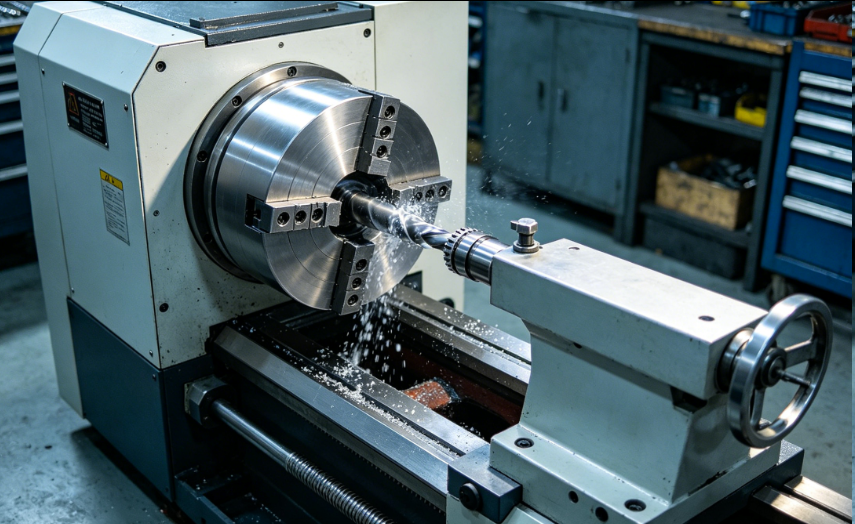
CNC lathe technology optimization is a comprehensive process aimed at enhancing machining efficiency, improving part quality, reducing energy consumption, and extending equipment service life, which has become a core focus in modern manufacturing. With the rapid development of smart manufacturing, traditional CNC lathe processes are no longer able to meet the growing demands for high precision, high efficiency, and low cost, making technological optimization an inevitable trend. The optimization process involves multiple aspects, including cutting parameter adjustment, tool path improvement, control system upgrading, and intelligent monitoring, all of which work together to realize the comprehensive upgrading of CNC lathe performance.
One of the key directions of CNC lathe technology optimization is the rational selection and optimization of cutting parameters. Cutting speed, feed rate, and cutting depth are the three core parameters that directly affect machining efficiency and part quality. Excessively high cutting speed may lead to rapid tool wear and poor surface finish, while excessively low speed will reduce production efficiency and increase energy consumption. Through experimental analysis and data simulation, the optimal combination of cutting parameters can be determined according to different workpiece materials and machining requirements. For example, a black hole-continuous ant colony optimization algorithm (BH-ACOR) can be used to establish a multi-objective mathematical model with turning specific energy and surface roughness as the optimization objectives, so as to obtain the optimal cutting parameters and achieve the balance between low energy consumption and high quality. In addition, the application of high-performance cutting tools and coating technologies can also cooperate with parameter optimization to further improve machining efficiency and tool life.
Another important aspect of optimization is the improvement of tool paths and the upgrading of control systems. Traditional tool paths often have redundant movements, which not only increase machining time but also affect machining accuracy. By using computer-aided manufacturing (CAM) software to simulate and optimize tool paths, redundant movements can be eliminated, and the smoothness of tool movement can be improved, thereby reducing machining time and improving surface quality. At the same time, upgrading the CNC system to integrate intelligent technologies such as artificial intelligence (AI) and the Internet of Things (IoT) enables real-time monitoring of machining status, adaptive adjustment of parameters, and predictive maintenance of equipment. This not only reduces the labor intensity of operators but also minimizes the risk of equipment failure and workpiece scrap, realizing the intelligent and efficient operation of CNC lathes. Moreover, optimizing the mechanical structure of the lathe, such as improving the rigidity of the bed and the precision of the guide rail, can further enhance the stability of machining and ensure the consistency of part quality.
 China management center add.
204, Building A, Phase 3, Jiewei Industrial Park, Shangmugu Community, Pinghu Street, Longgang District, Shenzhen, China
 Headquarters tel.
+86 134 3077 5139
 E-mail.


 CN
CN


