

Time:2025-11-12 Views:0
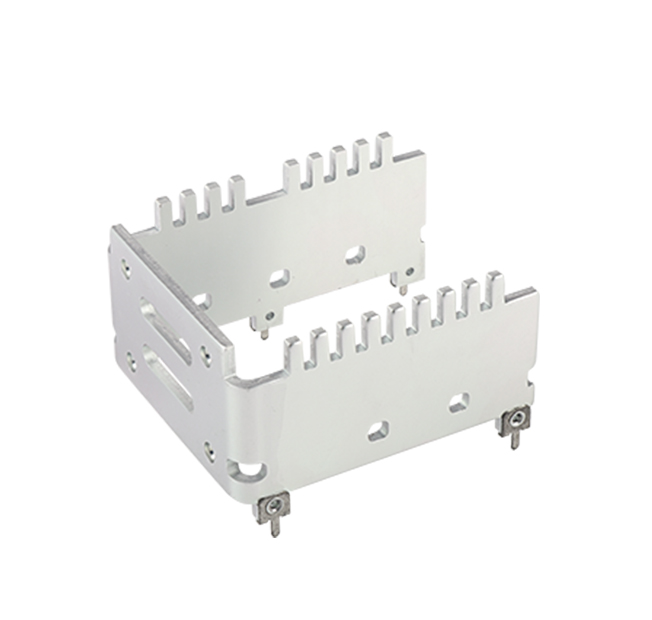
CNC Lathe Machining, also known as CNC turning, is a precision manufacturing process designed for producing cylindrical or rotationally symmetric parts by rotating the workpiece against a stationary cutting tool. Controlled by computer numerical programs, this method excels at creating features like external diameters, internal bores, threads, tapers, grooves, and chamfers—making it indispensable in industries such as automotive, aerospace, medical devices, and industrial machinery, where cylindrical components (e.g., shafts, bolts, bushings, and hydraulic cylinders) are in high demand.
The core mechanics of CNC lathe machining revolve around the workpiece’s rotation. The workpiece is secured in a chuck (a clamping device) mounted on a rotating spindle, which spins at adjustable speeds (typically 50–5,000 RPM) based on the material and cutting requirements. A cutting tool—mounted on a tool turret that can hold 8–12 tools—moves along two primary axes (X-axis for radial movement and Z-axis for axial movement) to remove material from the rotating workpiece. Advanced CNC lathes, such as Swiss-type lathes, incorporate a guide bushing that supports the workpiece close to the cutting tool, enabling ultra-precise machining of long, thin parts (e.g., medical needles, watch pins) with tolerances as tight as ±0.0005mm. This design minimizes workpiece deflection, a common issue in traditional lathes when processing slender components.
Material compatibility is a key strength of CNC lathe machining. It can process a wide range of materials, including metals (aluminum, steel, stainless steel, titanium, brass), plastics (ABS, PEEK, nylon), and even wood or composites, depending on the cutting tool material (e.g., high-speed steel for plastics, carbide for metals). For example, in automotive manufacturing, CNC lathes produce precision crankshafts from high-strength steel, ensuring consistent diameter tolerances to prevent engine vibration. In the medical industry, they machine titanium bone screws with precise threads that ensure secure fixation in surgical procedures.
Modern CNC lathes integrate intelligent features to enhance efficiency and quality. Automatic tool changers (ATCs) reduce downtime by swapping tools in seconds, while in-process probing systems measure the workpiece during machining to correct for tool wear or material variations. Many models also support live tooling, which adds rotational capabilities to the cutting tool, enabling secondary operations like milling or drilling without removing the workpiece from the chuck. This integration of multiple processes in a single setup reduces production time by 30–50% compared to traditional lathe machining. For manufacturers seeking high-volume, precise cylindrical parts, CNC lathe machining delivers unmatched consistency, efficiency, and versatility.
 China management center add.
204, Building A, Phase 3, Jiewei Industrial Park, Shangmugu Community, Pinghu Street, Longgang District, Shenzhen, China
 Headquarters tel.
+86 134 3077 5139
 E-mail.


 CN
CN


