

Time:2026-05-28 Views:0
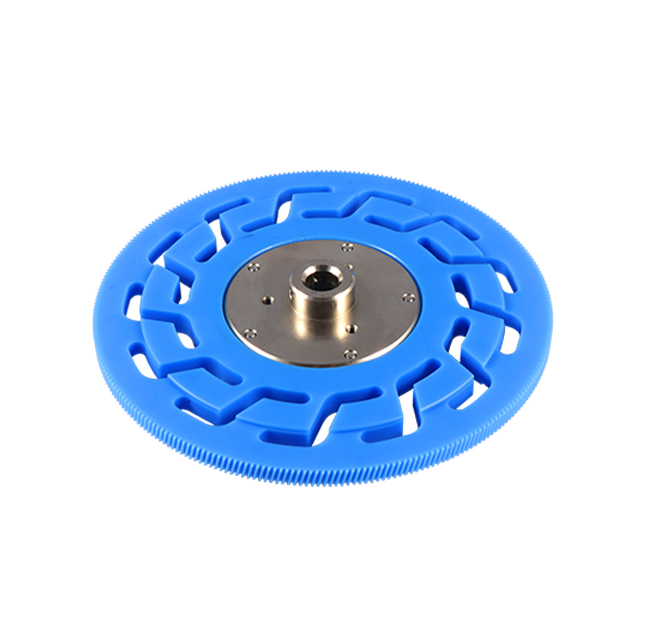
CNC lathe machining is a highly automated and precise metal cutting process that uses computer numerical control (CNC) systems to control the movement of the lathe’s cutting tools and workpiece. This advanced machining method has become an indispensable part of modern manufacturing, offering a range of unique characteristics that distinguish it from traditional manual lathe machining. One of the most prominent features of CNC lathe machining is its exceptional precision and consistency. Unlike manual operation, which is prone to human errors such as tool wear miscalculations, feeding inaccuracies, and fatigue-induced mistakes, CNC lathes operate based on pre-programmed instructions, ensuring that each part produced adheres to the exact design specifications with minimal tolerance deviations—typically within ±0.001 to ±0.01 millimeters. This high precision is particularly critical for industries such as aerospace, automotive, and medical equipment, where even the smallest dimensional error can lead to product failure or safety hazards.
Another key characteristic of CNC lathe machining is its high production efficiency. CNC lathes can operate continuously for long periods without the need for constant human supervision, significantly reducing downtime compared to manual lathes. The automatic tool change function, integrated into many modern CNC lathes, allows for quick switching between different cutting tools, eliminating the time-consuming manual tool replacement process. Additionally, the ability to program complex machining sequences in advance means that once the program is set up, the lathe can process multiple workpieces sequentially with consistent speed and accuracy. This efficiency not only increases the output volume but also reduces labor costs, as a single operator can monitor multiple CNC lathes simultaneously.
CNC lathe machining also offers excellent flexibility and adaptability to different production needs. Unlike traditional lathes, which require extensive retooling and adjustment when switching between different part designs, CNC lathes only require modifications to the programming code. This means that manufacturers can quickly transition from producing one type of component to another, making it ideal for small-batch, multi-variety production as well as large-scale mass production. The programming flexibility also allows for the machining of complex shapes and contours that would be extremely difficult or impossible to achieve with manual lathes, such as intricate threads, tapers, and curved surfaces. Moreover, modern CNC lathes often come with advanced features such as coolant systems, chip removal mechanisms, and real-time monitoring, which further enhance their adaptability and operational stability.
In addition, CNC lathe machining ensures superior surface quality of the finished parts. The consistent cutting speed, feed rate, and tool path controlled by the CNC system result in a smooth, uniform surface finish, reducing the need for additional post-processing steps such as polishing or grinding. This not only saves time and cost but also improves the overall performance and durability of the parts. Furthermore, CNC lathe machining is highly repeatable, meaning that every part produced from the same program is identical, which is essential for maintaining product consistency and meeting strict quality control standards. Overall, the combination of precision, efficiency, flexibility, and high surface quality makes CNC lathe machining a cornerstone of modern manufacturing, enabling the production of high-quality, complex components across a wide range of industries.
 China management center add.
204, Building A, Phase 3, Jiewei Industrial Park, Shangmugu Community, Pinghu Street, Longgang District, Shenzhen, China
 Headquarters tel.
+86 134 3077 5139
 E-mail.


 CN
CN


