

Time:2026-04-18 Views:0
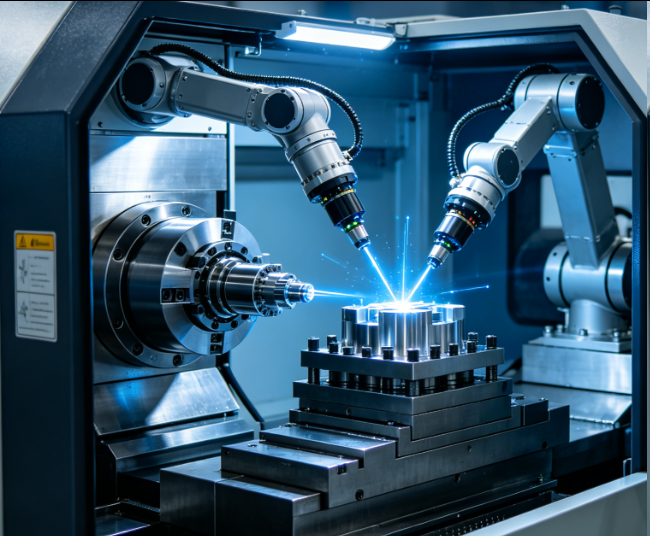
CNC equipment automatic debugging is a critical process that ensures the machine operates with high precision, stability, and efficiency before formal production. It involves a series of systematic checks, adjustments, and calibrations to eliminate potential errors, optimize performance parameters, and verify that all components work in harmony. This process not only reduces the risk of machining defects and equipment damage but also lays the foundation for consistent and high-quality production, minimizing manual intervention and improving overall productivity. Automatic debugging differs from manual debugging in its reliance on pre-programmed algorithms and intelligent monitoring systems, which enable real-time data collection, analysis, and adjustment, significantly reducing the time and labor required for setup.
The automatic debugging process typically begins with a visual inspection and pre-power checks to ensure all electrical connections, mechanical components, and safety devices are in proper working order. This includes verifying the tightness of wiring terminals, the condition of solenoid valves and limit switches, and the correct setting of short-circuit terminals on printed circuit boards. After power-on, the system conducts sequential component testing to check for alarms, ensure the normal operation of manual controls, and confirm that safety mechanisms are functional. Next, the machine’s geometric accuracy is fine-tuned using specialized testing tools such as precision levels and standard squares, adjusting the bed to a level position to maintain stability during operation.
Subsequent steps involve calibrating the automatic tool changer (ATC) system, adjusting the manipulator’s position relative to the spindle, and verifying the accuracy of tool changes through multiple automatic cycles. The CNC system and programmable logic controller (PLC) parameters are checked against standard specifications to ensure they align with the machine’s operational requirements, followed by testing key functions, safety countermeasures, and common instructions. Finally, accessory systems such as cooling, lubrication, and lighting are inspected, and a series of tests—including empty operation, load testing, and precision checks—are conducted to confirm the machine’s performance. This comprehensive debugging process ensures that the CNC equipment meets the required precision standards and can operate continuously and reliably in industrial environments.
 China management center add.
204, Building A, Phase 3, Jiewei Industrial Park, Shangmugu Community, Pinghu Street, Longgang District, Shenzhen, China
 Headquarters tel.
+86 134 3077 5139
 E-mail.


 CN
CN


